

00:00
“Joy to the World” stands as one of the most recognizable and beloved carols in Christian history, but there’s more to this anthem than meets the eye. While we sing it every Christmas season, Isaac Watts originally penned these words not as a celebration of Christ’s birth, but as a triumphant vision of His second coming. This makes it the perfect hymn for bridging the hope of Christmas with the hope of eternity, and this fresh arrangement brings that timeless message to your contemporary worship set with energy and excellence.
Hymn History: Joy to the World
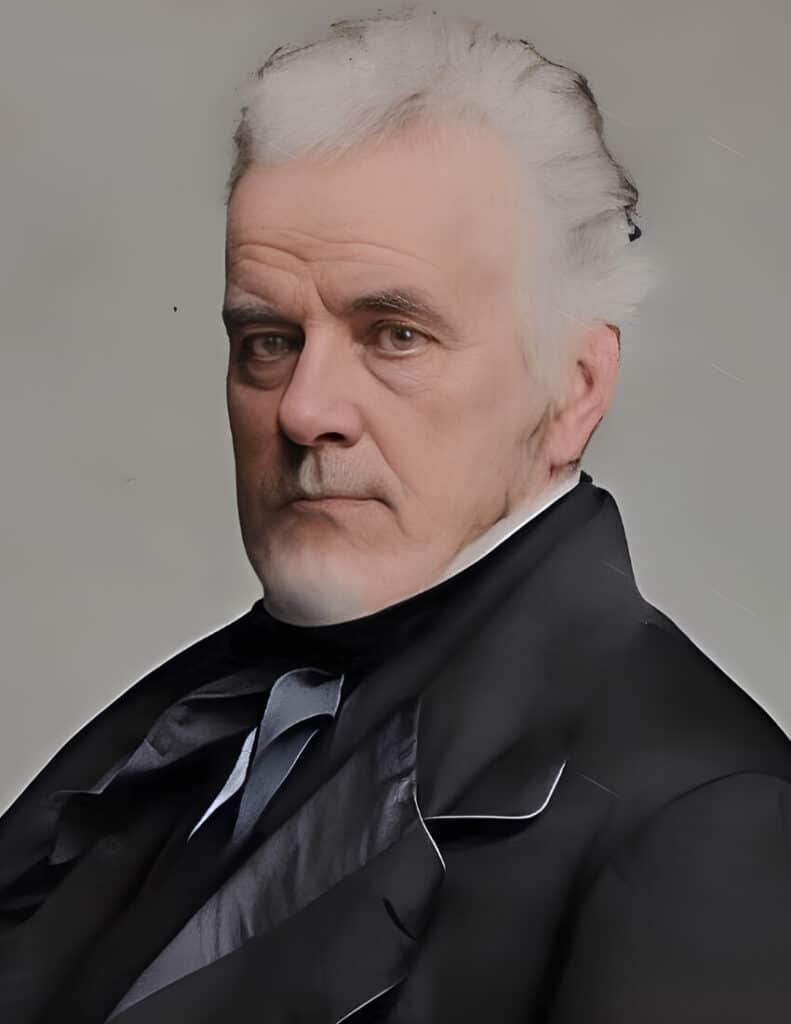
Isaac Watts was a man with a problem. Growing up in late 1600s England, young Watts found himself increasingly frustrated with the psalm singing in his church. The melodies were dull, the words felt archaic, and worship seemed more like an obligation than a celebration. One Sunday, after yet another complaint from Isaac, his father challenged him: “Give us something better, young man!”
That challenge changed church music forever.
Watts took his father’s words to heart and began crafting hymns that brought Scripture to life in fresh, singable ways. Rather than simply versifying psalms word-for-word, Watts reimagined them through the lens of the New Testament, showing how Christ fulfilled these ancient songs. In 1719, Watts published “The Psalms of David Imitated in the Language of the New Testament,” and tucked within that groundbreaking collection was a poem based on Psalm 98: “Joy to the World.”
Here’s what makes this hymn fascinating: Watts wasn’t writing about the manger in Bethlehem. He was writing about the glorious return of Christ when “He rules the world with truth and grace.” The “Lord is come” isn’t past tense, it’s prophetic. Yet for nearly 300 years, we’ve sung these words at Christmas, and perhaps rightly so. After all, Christ’s first coming was the down payment on His promise to return and make all things new.
The music we know today came much later. In 1848, American composer Lowell Mason adapted themes from Handel’s “Messiah” to create the triumphant tune we can’t help but sing along to. The marriage of Watts’ theology and Mason’s melody turned “Joy to the World” into the most published Christmas hymn in North America.
Call to Worship
Need help finding the right words to introduce a hymn? Use this sample call to worship as a starting point, or let it inspire you to create a heartfelt invitation to praise in your own words!
When Isaac Watts wrote the words we’re about to sing, he was imagining something bigger than a stable in Bethlehem. He was seeing the day when Christ returns to set all things right – when every heart truly receives Him as King, when fields and floods and rocks and hills all join in praise, when truth and grace finally rule the world.
Every Christmas, we get to taste that future reality. We celebrate the King who came once and is coming again. We remember that the baby in the manger grew up to be the Savior who reigns over all creation.
So as we sing “Joy to the World,” we’re not just looking back at Christmas past – we’re looking forward to the day when heaven and nature sing together in perfect harmony, when sorrow and sin are no more, and when the wonders of His love are fully revealed.
Let’s lift our voices and “repeat the sounding joy!”
Lead with Confidence
Here’s what you need to know about leading this arrangement: it’s designed to make your life easier while making your congregation sound amazing. Christmas services are stressful enough without wrestling with complicated charts or losing your band in odd time signatures. This version is clean, tight, and builds naturally from that contemplative piano intro all the way to a big, celebratory finish.
The secret sauce is that melodic riff in the intro. It doesn’t just set the mood; it actually weaves through the entire arrangement, giving your musicians something to latch onto while adding depth to the hymn’s melody. Your pianist will love it, your congregation won’t even realize the music theory magic happening, and you’ll get that “professional recording” sound with volunteer-level effort.
The arrangement was recorded in D, which is perfect for tenor-led worship. But if you’re working with a female worship leader or planning to feature your choir, the key of C (included in the transposed charts) will be your sweet spot. Three verses, no weird time changes, and a steady groove that lets your team focus on leading worship instead of counting measures.
This is the kind of arrangement that makes December services fun instead of frantic. Your team will nail it in one or two rehearsals, your congregation will sing with confidence, and you’ll have space to actually lead hearts toward Jesus instead of just surviving another holiday production.
Blending Suggestions
Try using Joy to the World in your worship set with these songs that fit thematically:
He Shall Reign Forevermore by Chris Tomlin and Matt Maher: This song is a strong thematic match for verses 2 and 3 of Joy to the World (“The Savior Reigns,” “He rules the world”). The chorus literally lifts the text “King of Kings and Lord of Lords” and drives home the message of Christ’s eternal rule. It captures that “royal” feeling of Joy to the World but with a modern rock groove. Transition from “He rules the world with truth and grace” directly into “He shall reign forevermore” to create a seamless celebration of Christ’s kingship.
Angels (Glory to God) by Phil Wickham and Jonathan Smith: Where Joy to the World commands earth to receive her King, Angels focuses on the response of creation giving “Glory to God,” perfectly capturing the “heaven and nature sing” aspect of Verse 1. Like most Phil Wickham tracks, it’s incredibly upbeat with shimmery synth pads and delayed guitars that feel like pure celebration – perfect for pairing with the “Repeat the sounding joy” energy of Joy to the World.
For Unto Us / Open The Eyes Of My Heart by Paul Baloche: Paul Baloche creatively weaves Handel’s classic “For unto us a Child is born” with his modern worship chorus “Open the eyes of my heart, Lord.” It takes the prophetic joy of Isaiah 9 and turns it into a personal prayer for revelation, inviting your congregation not just to celebrate Christ’s birth, but to truly see and worship Him as King. Use this as a bridge between the triumphant declaration of Joy to the World and a more intimate moment of personal worship.
Joy to the World can be followed by just about any contempoary, upbeat Christmas arrangement. But by thoughtfully pairing it with these songs, you’ll create a worship experience that honors the theological depth of this classic hymn while speaking the musical language of today’s church. Let the nations prove the glories of His righteousness!