00:00
Related: Download free sheet music for This Is Christ the King, Don Chapman’s new melody for the classic What Child Is This lyrics.

| Words: | William Dix |
| Music: | Traditional English melody |
| Key: | E minor |
| Time Sig: | 6/8 |
| Tempo: | 148 BPM (eighth note) |
| CCLI #: | 5252453 | [copy] |
Related: Download free sheet music for This Is Christ the King, Don Chapman’s new melody for the classic What Child Is This lyrics.
“What Child Is This?” is one of those carols nearly everyone in your congregation already knows by heart, thanks to its haunting GREENSLEEVES melody. This modern arrangement gives the classic a fresh setting your band can play with confidence. It comes with both a cello demo and an electric guitar demo (so if you don’t have a cellist, you can hear exactly how that part sounds on electric guitar). And with a different chorus after each verse, it carries your congregation from the manger to the cross and into joyful celebration, all in one song.
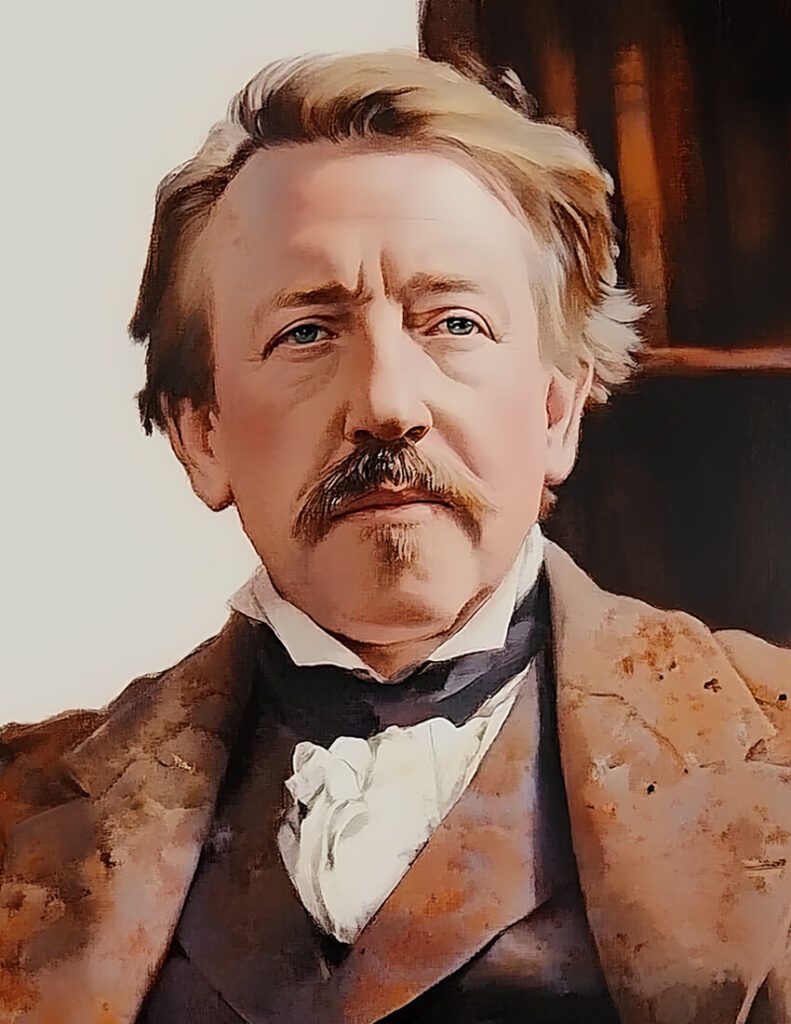
William Chatterton Dix was born in Bristol, England, in 1837. His father, John, was a surgeon by profession and a writer by passion. William inherited the love of writing, but he took a different path for his career, becoming the manager of an insurance company in Glasgow. He was content with an ordinary life, and his biggest wins were closing big insurance deals.
Then, at age 29, everything stopped.
A severe illness put William in bed for day after day as his body fought to survive. Even after the worst had passed, he faced a long recovery, and depression set in. His physical sickness revealed a deeper need in his soul, and he went searching for real purpose. He found it in the Bible. William became an avid reader of Scripture, and it sparked a spiritual awakening that changed the direction of his life.
So what did William do once he was well? Did he become a minister? A missionary? No – he went right back to his job as an insurance manager, trusting God to use him exactly where he was.
William kept writing poetry as an act of worship. Most of his poems stayed tucked away in a writing desk at home, but one he wanted to share: “What Child Is This?” Since he wasn’t a musician, he looked for an existing melody and settled on GREENSLEEVES, a tune already loved during the Christmas season that gave his words a sense of grandeur. The song slowly spread from church to church, Christmas after Christmas. Six years after it was written, it was published in a collection called Christmas Carols Old and New.
Today, that humble poem from a humble insurance manager is the best-known use of the GREENSLEEVES melody in the world.
Need help finding the right words to introduce a hymn? Use this sample “Call to Worship” as a starting point, or let it inspire you to create your a heartfelt invitation to praise in your own words!
Option 1: The Insurance Manager
The carol we’re about to sing was written by an insurance manager named William Dix.
After a serious illness, William found new life through reading God’s Word. He could have left his job for full-time ministry, but instead he went back to work and worshiped God right where he was. In his spare time, he wrote poems of praise, and one of them is the song we’re about to sing.
Wherever you are this morning, whatever work fills your week, God can use you there. Let’s lift our voices together and worship the Child who came for every one of us.
Option 2: The Question
Every Christmas we sing a question: “What Child is this?”
It’s a question shepherds asked on a hillside. It’s a question wise men traveled for months to answer. And it’s a question every person in this room has to answer for themselves.
The good news is this carol doesn’t leave us guessing. Its answer is clear: this is Christ the King. The Word made flesh. The Savior who would one day carry the cross for me and for you.
So let’s come with the shepherds and the wise men, bring Him our praise, and sing the answer with joy.
You don’t have to sell your congregation on this one. They already know the melody, and they’ll be singing from the very first line. That gives you a great opportunity to lead them a little deeper into the words.
Take note of the three different choruses in this arrangement. Chorus 1 declares who this Child is. Chorus 2 turns toward the cross. Then comes the final verse, and it’s the climax of the whole song, so let it soar. Chorus 3 carries that energy home as it bursts into joy that Christ is born.
Spend some time with the cello part in rehearsal, too. It carries a lot of the arrangement’s character. If you don’t have a cellist, listen to the electric guitar demo with your guitarist so they can hear the tone and phrasing you’re going for.
And share William Dix’s story with your team before the service. Most of your volunteers work regular jobs all week, just like William did. It’s a great reminder that they’re serving God in the office AND on the platform!
Try using What Child Is This? in your worship set with these songs that fit thematically:
King of Kings by Hillsong Worship. Both songs trace the story of Jesus from His humble birth to His sacrifice on the cross and will carry your congregation through the whole Gospel story.
Noel by Chris Tomlin (featuring Lauren Daigle). Like the shepherds in Dix’s first verse, “Noel” invites us to come and see what God has done in sending His Son. It’s a natural follow-up that keeps the focus on wonder at the manger.
Emmanuel (Hallowed Manger Ground) by Chris Tomlin. Both songs linger at the manger and marvel that God would come to us as a baby. Use it as a reflective moment of worship right after the carol, before moving into a more upbeat song.
Joy to the World (Unspeakable Joy) by Chris Tomlin. The final chorus of “What Child Is This?” calls us to raise a song on high because Christ is born. Tomlin’s anthem picks up that joyful celebration and runs with it, making it a strong way to close your set.
Bottom Line: “What Child Is This?” is a carol your people already love, so use it to tell them who this Child is and that God can use them right where they are.
Hymns can be tricky for younger generations. Remember to explain any archaic words, and cast vision for why these timeless songs are worth preserving.
When we invest in leading hymns well, we open the door for our congregations to experience the richness of our spiritual heritage and the boundless grace of our Savior.