

00:00
“Hark! The Herald Angels Sing” has been opening Christmas services for well over two centuries, and your congregation already knows every word. Hark! (Newborn King) is my new Hymns Reborn melody for Charles Wesley’s classic lyrics, and I wrote it as an upbeat call to worship for your December sets. The melody falls from the sky on the opening line, then climbs right back up as the nations rise to join the angels.
Hymn History: Hark! The Herald Angels Sing
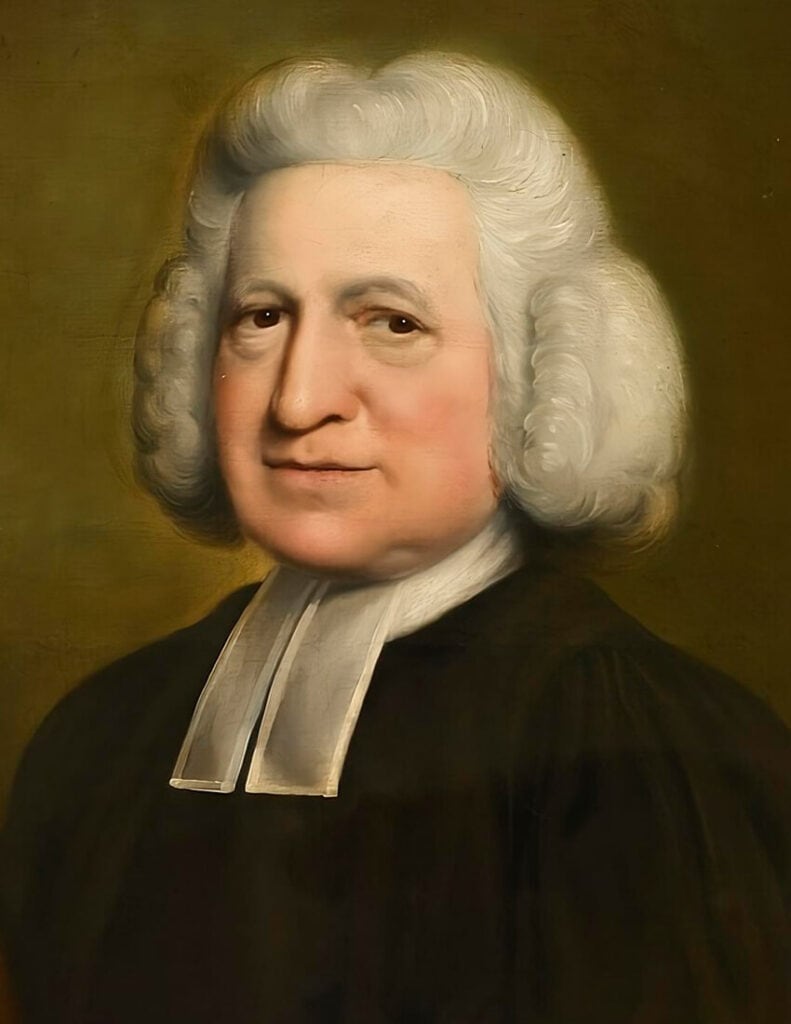
In 1739, Charles Wesley wrote a Christmas hymn for Hymns and Sacred Poems, the collection he published with his brother John. It was titled “Hymn for Christmas Day,” and the first line went like this: “Hark, how all the welkin rings.” (Welkin is an old English word for the sky or the heavens.) The original had 10 stanzas and a somber, sober tune, and it didn’t catch on.
Over the next few decades, other editors kept tweaking Wesley’s hymn, much to the dismay of the protective Wesley brothers. The most important edit came in 1753, when the famous preacher George Whitefield rewrote the first line as “Hark! the herald angels sing.”
Whitefield’s edit replaced an outdated word, and it also put faces on the song. Wesley had the whole sky ringing with praise. Whitefield gave us herald angels, messengers sent with news too good to keep in heaven. (The Wesleys likely wouldn’t have approved, but it’s hard to argue with the results!)
The tune came from an even more unlikely place. In 1840, German composer Felix Mendelssohn wrote a rousing piece to celebrate the 400th anniversary of Gutenberg’s printing press. Mendelssohn said the melody suited “a national and merry subject” but wasn’t right for sacred words.
History disagreed with him. In the 1850s, English musician William Hayman Cummings paired Mendelssohn’s melody with Whitefield’s version of Wesley’s lyrics, and the carol took off in Britain and across the Atlantic. It’s been a Christmas staple ever since, from small country churches to the famous Festival of Nine Lessons and Carols at King’s College, Cambridge.
So the carol we love is a team effort. A poet, a preacher, a composer, and an organist, and only one of them meant for it to happen!
Now there’s a new chapter, and this is where I come in. On June 7, 2025, I sat down at the piano and the first half of a new melody showed up in minutes. Then I got stuck. For months, I wrote chorus after chorus, and nothing felt right. By late fall it was getting too close to Christmas, so I gave up.
This summer I was scrolling through old song fragments on my phone (just me singing and playing, and trust me, you don’t want to hear it), and there was Hark. I still loved that descending opening, so I prayed, “Lord, I really want to finish this. Give me some ideas!”
Then it hit me. I’d been forcing a strophic song (AAA) into a verse/chorus form (ABAB). Once I let go of that, the rest of the verse arrived on July 6, 2026, a year and a month after I started.
Some songs take five minutes. This one took a YEAR!
Call to Worship
Need help finding the right words to introduce a hymn? Use one of these sample Calls to Worship as a starting point, or let them inspire your own invitation to praise.
Option 1: Joining the Angels
When Charles Wesley first wrote this carol, the opening line was “Hark, how all the welkin rings.” Welkin is an old word for the sky. Wesley pictured the heavens ringing with praise on the night Jesus was born.
A few years later, the preacher George Whitefield changed that line to “Hark! the herald angels sing.” It’s a small change with a big result. Now we get to sing right along with the angels.
That’s our invitation this morning. The angels started this song over Bethlehem 2,000 years ago. Let’s stand and join them!
Option 2: God and Sinners Reconciled
Wesley summed up the whole Christmas story in four words: “God and sinners reconciled.”
That’s why the angels were singing. A holy God and people like us had been separated by sin, and that night in Bethlehem, God closed the distance Himself. Jesus came all the way down so we could be brought all the way back.
Wherever you’re coming from this morning (tired, distracted, joyful, or somewhere in between), that good news is for you. Let’s lift our voices and sing glory to the newborn King!
Lead with Confidence
Here’s the best thing about a new Christmas song with old lyrics: your people already know the words. All they need to learn is the melody, and I composed this one to be catchy.
Pay attention to the contour of the melodic line. The opening line descends, and I can just see the angels’ praise coming down from heaven. When the melody turns upward on “Joyful all ye nations rise,” let your band build with it (that four-on-the-floor drum feel.) Your congregation will sense all of that without knowing why. (But you’ll know!)
Don’t rush the quiet moment. After the bridge, the song settles into an a cappella 3rd verse. Then build back up with “Born to raise the sons of earth” and finish strong.
And since the song is strophic, every verse uses the same melody. That’s a huge help with a new song. By verse two, most of your congregation will be singing with you. Put it first in your set and let it do what Whitefield’s edit did 270 years ago: invite everyone to join the angels’ song.
Blending Suggestions
Try using Hark! (Newborn King) in your worship set with these songs that fit thematically:
Joy to the World (Unspeakable Joy) by Chris Tomlin: Keep the energy high right out of the gate. Hark! (Newborn King) announces the King, and Tomlin’s anthem calls the whole earth to receive Him. Two upbeat Christmas openers back to back will get your room on its feet fast.
Emmanuel (Hallowed Manger Ground) by Chris Tomlin and Ed Cash: My bridge ends on “Jesus our Emmanuel,” so the handoff is almost too easy. Go straight from that line into a song that marvels at the God who came near, and drop the tempo for a more reflective moment.
King of Kings by Hillsong Worship: Wesley’s text moves from the manger to the reason for the manger: Jesus was born so we’d no longer die and could have a second birth. King of Kings tells that same story from Bethlehem to the cross to the empty tomb, and it makes a great centerpiece after a Christmas opener.
What a Beautiful Name by Hillsong Worship: Both songs celebrate Jesus leaving heaven’s glory to bring us back to God. Use it near the end of your set, once “God and sinners reconciled” has had time to sink in.
Pair these songs with Hark! (Newborn King) and you’ll have a Christmas set that starts with the angels’ announcement and ends with your congregation worshiping the King. The words are almost 300 years old. The melody is brand new. The good news hasn’t changed one bit.
Bottom Line: Hark! (Newborn King) gives your congregation the carol they already love with a melody they’ll be humming all December. I think it’s a perfect opener for your Christmas services.