
00:00
Praise God, from whom all blessings flow. Has any single line of worship been sung more times, in more churches, across more centuries? For generations the Doxology has served as a benediction, an offertory response, a brief liturgical moment. But what if those four famous lines could open your worship set instead of close your service? My new arrangement transforms the one-verse Doxology into a full three-verse worship song with a modern, vibey feel, built specifically to kick off a Sunday morning.
Hymn History: Doxology
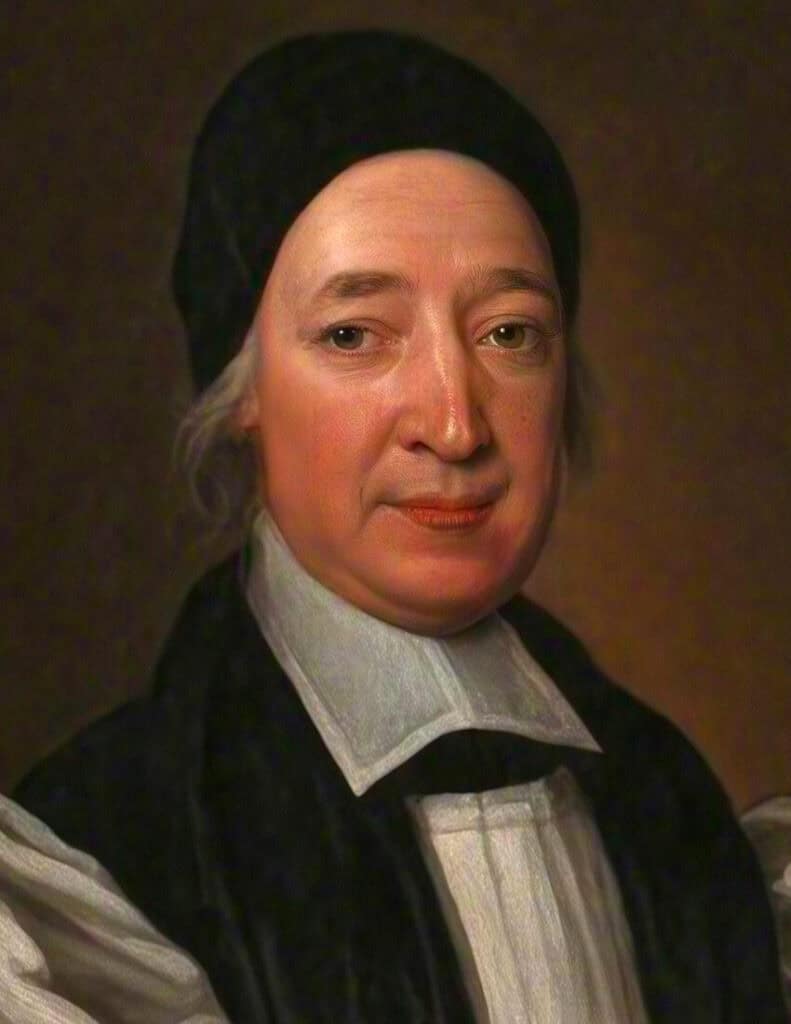
Thomas Ken is remembered today for exactly one stanza. Four short lines! But those lines were never meant to stand alone.
Ken had strong ties to Winchester College in England, where he had once been a student and later served in ministry. Wanting to help the young men there develop a daily habit of prayer and worship, he wrote devotional hymns for different times of the day: a Morning Hymn (“Awake, My Soul, and with the Sun”), an Evening Hymn (“Glory to Thee, My God, This Night”), and even a Midnight Hymn (“My God, I Now from Sleep Awake”). At the end of each hymn, Ken placed the same four-line conclusion:
Praise God, from whom all blessings flow;
Praise Him, all creatures here below;
Praise Him above, ye heavenly host;
Praise Father, Son, and Holy Ghost.
Here’s the ironic part. Ken wrote these lyrics around 1674, in a time when many believed only Scripture should be sung in church… writing new lyrics was considered blasphemous! He even instructed the boys to use the hymns privately in their rooms as part of their morning and evening devotions. The little concluding verse Ken tucked away for private devotion took on a life of its own, and today it’s one of the most familiar expressions of praise in all of Christian worship.
For this arrangement, I went back to Ken’s longer, mostly forgotten poems. I picked my favorite lines from his Morning Hymn, slightly modernized them, added a few lines of my own, and created two new stanzas that carry the same tone and feel of the original. Ken’s “Shake off dull sloth, and joyful rise / To pay thy morning sacrifice” becomes “Shake off thy sleep and joyful rise / To bring a song of sacrifice.” His prayer “Disperse my sins as morning dew” now leads to a fresh closing thought: “And make my life a song of praise.” This new version doesn’t replace Thomas Ken’s Doxology, it brings some of his forgotten words back to life.
Call to Worship
Need help finding the right words to introduce a hymn? Use this sample “Call to Worship” as a starting point, or let it inspire you to create a heartfelt invitation to praise in your own words!
Awake, my soul
Some of us walked in this morning wide awake and ready to sing. Others of us… needed a second cup of coffee. Either way, God’s Word has an invitation for all of us: “Awake, my soul!”
In the 1600s, Thomas Ken wrote a morning hymn to help young students begin each day in praise, ending with four lines we now call the Doxology. Today we’re singing those famous lines along with verses drawn from that forgotten morning hymn: old words with a brand-new arrangement.
As we sing, make this your prayer: Lord, shake off my sleep. Disperse my sin like morning dew. Fill my heart, raise my spirit, and make my whole life a song of praise.
Lead with Confidence
Worship leader, here’s the beauty of opening your set with the Doxology: your congregation already knows the most important verse! There’s no learning curve on those first four lines. Even your most hesitant singers will join in from the downbeat, and that instant participation sets the tone for everything that follows.
Then verses two and three arrive as a fresh discovery. Consider taking fifteen seconds before the song to share Ken’s story. How these “new” verses are actually his words from 350 years ago, rescued from a forgotten morning hymn. People love knowing they’re singing something both ancient and brand new.
And don’t miss the theme running through the whole song: waking up. “Awake, my soul, and with the sun” is exactly the right sentiment for the opening moments of a Sunday service. You’re not just singing about praise, you’re leading your church to shake off the week, renew their vows to the Lord, and make their lives a song. What a great way to start a Sunday morning!
Blending Suggestions
Try using Doxology in your worship set with these songs that fit thematically:
Praise by Elevation Worship: Since the Doxology is one long call to praise, this high-energy anthem is a natural follow-up. It picks up the “praise Him, all creatures here below” theme and turns it into a declaration of praising God through every circumstance. Opening with the Doxology and moving straight into this song creates an unstoppable start to your set.
10,000 Reasons (Bless the Lord) by Matt Redman: The morning theme makes this pairing feel tailor-made. Redman’s song greets the rising sun with a soul stirred to worship, echoing “Awake, my soul, and with the sun” almost line for line in spirit. Try placing it right after the Doxology to extend that sunrise-of-the-soul moment.
Great Are You Lord by All Sons & Daughters: Where Ken points every creature toward praise, this modern favorite responds with the reason why: God gives life and breath, so we pour out our praise in return. The simple, singable chorus lets your congregation linger in the posture the Doxology just established.
House of the Lord by Phil Wickham: An upbeat celebration of the joy we find gathering to worship. After the Doxology awakens hearts and calls the church to praise, this song lets everyone celebrate being together in God’s house.
By opening with the Doxology and weaving in these contemporary songs, you’ll give your congregation a worship set that begins at the source of every blessing and never looks back. Thomas Ken wrote these words for private morning devotions, but this Sunday, they can wake up your whole church.